Every business reaches a point where space becomes an issue. Retailers find themselves surrounded by seasonal products, e-commerce sellers end up stacking boxes to the ceiling at home, and service companies struggle to keep tools organized between jobs. Office-based businesses aren’t immune either—paperwork, archived files, and old equipment pile up faster than expected. For many Florida businesses, a storage unit becomes a cost-effective way to free up valuable workspace without committing to a larger office or warehouse lease.
What makes self storage especially appealing is flexibility. You can start with a small unit while your business is growing, upgrade when your needs expand, and scale back down if inventory is lighter. It’s an adaptable solution that helps you stay lean without losing efficiency.
Managing Inventory Effectively

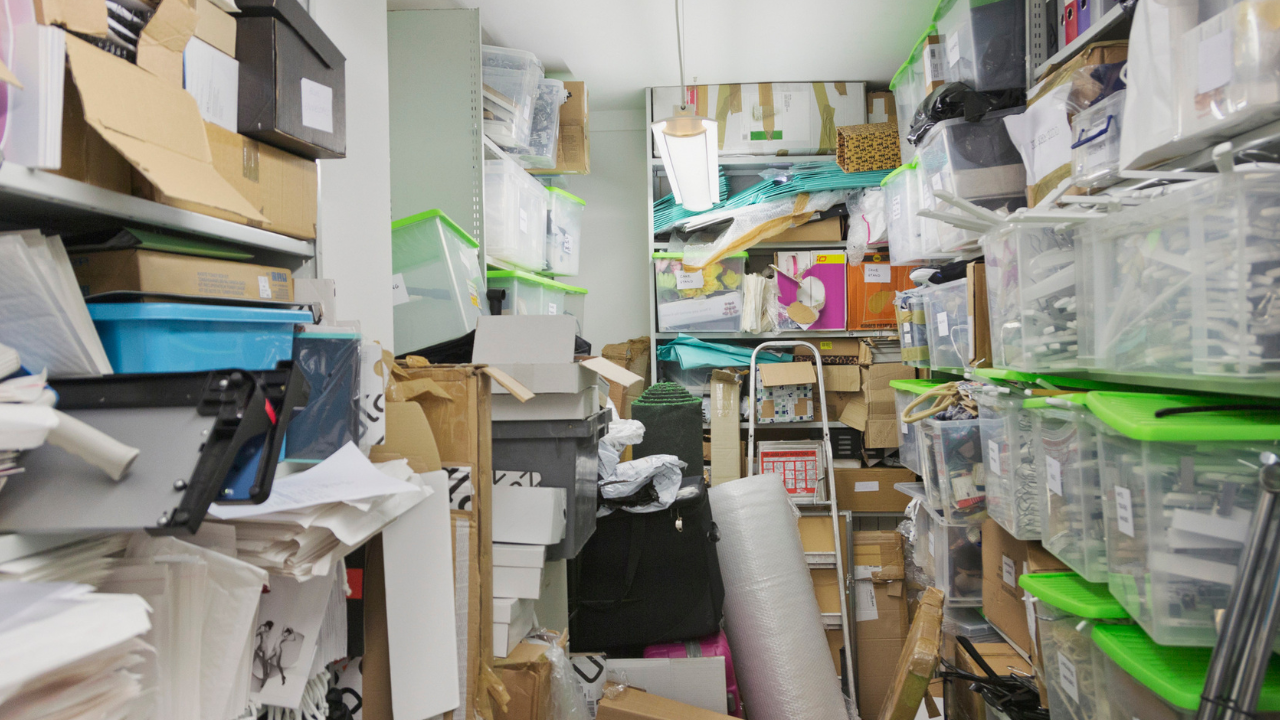
For product-based businesses, especially retailers and online sellers, inventory is the lifeblood of operations. A cluttered or poorly organized storage unit can lead to costly mistakes—like miscounting stock, losing items, or delaying shipments. Setting up your unit with inventory management in mind is key.
Shelving should be your first investment. Tall, adjustable shelves transform a storage unit from a pile of boxes into a miniature warehouse. Items can be arranged by product type, season, or sales priority. Clear bins or well-labeled cardboard boxes help reduce wasted time when you need to pick orders quickly. Some business owners also use barcode systems that sync with inventory software—making the storage unit an active part of their supply chain rather than just a dumping ground.
Florida’s humidity adds another layer of concern. If you’re storing fabrics, electronics, or products sensitive to moisture, climate-controlled units are worth the cost. They prevent damage that could turn inventory into losses overnight. For small businesses working on thin margins, protecting product quality is just as important as keeping it organized.
Safe Storage for Documents and Records
Even in an increasingly digital world, businesses still generate a surprising amount of paper. Tax records, employee files, contracts, and compliance documents often need to be retained for years. Keeping them in the office takes up space and increases the risk of loss or damage. A storage unit dedicated to records provides both breathing room and peace of mind.
When storing documents, organization is everything. Use sturdy, uniform boxes that stack easily, and label them clearly with contents and dates. Consider separating short-term files you may need soon from long-term archives you’re unlikely to access. For highly sensitive paperwork, fireproof filing cabinets or lockable containers can be placed inside the unit.
Digital backups are equally important. Before sending records into storage, scan and save copies to secure cloud storage. That way, even if something happens to the physical documents, your business won’t lose critical information. For Florida businesses, climate control again comes into play—paper is highly vulnerable to humidity and mold, so it’s worth selecting a facility that maintains consistent temperature and air quality.
Equipment and Tools: Maximizing Space
For service-based businesses—contractors, landscapers, event planners, cleaning services—the challenge isn’t paperwork or product inventory but bulky equipment and tools. These items are expensive, hard to replace, and often awkward to store at home or in small offices. A storage unit provides a secure hub where everything has its place.
The trick is to set up the unit for accessibility. Instead of piling tools in one corner, use heavy-duty racks, pegboards, or lockable tool chests. This not only keeps equipment organized but also cuts down on the frustration of searching for what you need before a job. For larger items like ladders, tents, or catering equipment, vertical storage frees up floor space.
Security is a top concern for businesses storing equipment. Choose a facility with strong security measures such as gated access, surveillance cameras, and individual locks. Replacing stolen or damaged tools is more than just an expense—it disrupts your ability to serve clients. A reliable facility is part of protecting your livelihood.
Restaurants and Bars: Seasonal and Bulk Storage
Food service businesses have unique storage needs, and many restaurants and bars turn to self storage as a flexible solution. In Florida, outdoor dining setups often change with the seasons, which means patio furniture, umbrellas, and heaters need a place to go when not in use. Storage units give these businesses the ability to swap out setups without overcrowding their kitchens or dining rooms.
Bars and restaurants also benefit from extra space for bulk supplies—like cases of glassware, disposable cups, or non-perishable items purchased at a discount. Event-focused establishments may use their units for portable bars, extra tables, or linens that aren’t required every day but are essential during peak seasons. By using self storage, restaurants keep their working spaces clear, organized, and ready to serve customers while still having easy access to everything they need.
Tips for Cost Efficiency
While storage can be a smart investment, it’s still an ongoing business expense, so managing costs matters. One way to save is by choosing the right size unit from the start. Paying for extra space that sits empty every month drains resources, while undersizing forces you to juggle multiple units or move frequently. Take careful stock of what you’ll store before signing a lease.
Some businesses share larger units with partners or other small companies, dividing both space and costs. This approach works well if your needs don’t overlap and you can set clear boundaries. Another cost-saving strategy is seasonal scaling—renting a bigger unit only during peak months when inventory or equipment surges, then downsizing afterward. Flexibility is one of the biggest advantages storage offers, and it’s wise to take advantage of it.
Insurance is another factor to consider. While facilities often carry their own policies, it’s important to understand what’s covered and what isn’t. Sometimes adding storage protection through your business insurance is cheaper than relying solely on the facility’s plan.
Making Storage Work for Your Business Long Term
The best storage units don’t just hold your belongings—they become part of how your business runs. A well-organized unit can double as an inventory hub, a document archive, or a tool depot. It saves time, reduces stress, and protects valuable assets.
In Florida, where climate and weather bring unique risks, choosing the right facility and taking steps to safeguard your belongings ensures you get the most from your investment. Whether you’re a startup e-commerce shop, a local contractor, a restaurant, or an established company running out of space, storage can be a flexible, budget-friendly solution that grows with you.
By treating your unit as an extension of your business—not just extra square footage—you set yourself up for smoother operations, fewer headaches, and more room to focus on what matters most: serving your customers and building your success.