Self storage in Florida isn’t just about finding space — it’s about protecting the things that matter most. With high humidity, year-round heat, and the occasional hurricane season, choosing between a standard storage unit and a climate-controlled unit can make all the difference. The right choice depends on what you’re storing, how long you’ll store it, and how much you’re willing to invest in peace of mind.
Standard vs. Climate-Controlled Storage: The Basics
-
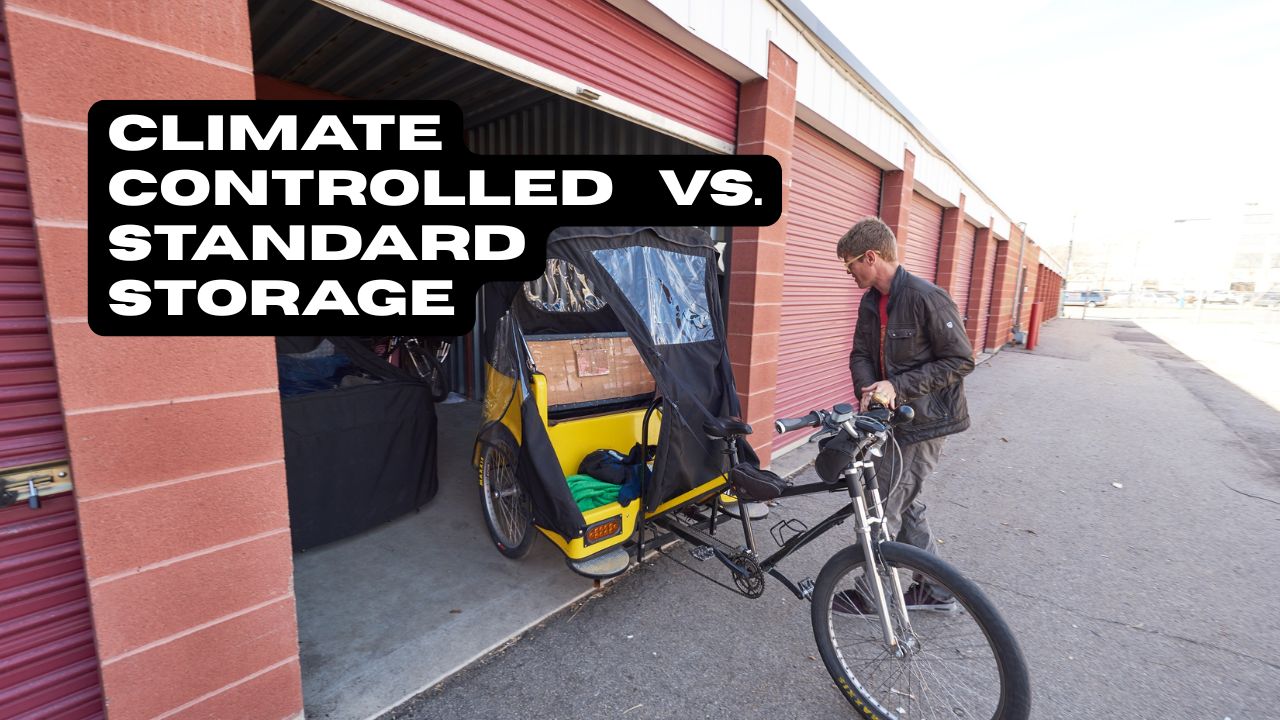
Standard Storage Units are the most common and budget-friendly option. They’re like a garage or shed — a dry, locked space without added environmental controls. For items that aren’t sensitive to heat or humidity, standard units often get the job done at a lower monthly cost.
-
Climate-Controlled Storage Units regulate temperature and humidity. Think of them as an indoor extension of your home. They keep items protected from Florida’s extreme humidity, mold, and temperature swings. These units typically cost more, but they safeguard belongings that could otherwise warp, rot, or degrade.
When a Standard Storage Unit Works Just Fine
Not everything needs climate control. For short-term storage or durable items, a standard unit is often the practical, money-saving choice. Common examples include:
-
Patio furniture, garden tools, and yard equipment
-
Sports gear (bikes, surfboards, kayaks, camping gear)
-
Plastic bins with toys, holiday decorations, or general household goods
-
Metal tools and non-sensitive appliances
-
Vehicles, boats, or trailers (many facilities have dedicated outdoor or garage-style storage for these)
If your storage plan is short-term (a few weeks to a couple of months), and your items are sturdy, a standard unit can handle it.
When Climate Control Makes Sense
Florida’s climate can be brutal on delicate or valuable items. If you’re storing any of the following, climate control isn’t a luxury — it’s a must:
-
Wood furniture: Heat and moisture can cause warping, cracking, or swelling.
-
Electronics and appliances: High humidity can corrode wiring and internal parts.
-
Important documents and photos: Paper and film are especially vulnerable to mold.
-
Musical instruments: Guitars, pianos, and violins are sensitive to temperature swings.
-
Artwork and collectibles: Canvases, stamps, and vinyl records all need stable conditions.
Clothing Storage Considerations
Clothing deserves special mention because not all fabrics are created equal:
-
Everyday clothing (short-term): Cotton, polyester, and denim do fine in sealed bins or garment bags inside a standard unit if stored for just a few months.
-
Long-term storage: Florida humidity can cause mildew or attract pests over time. For storage beyond a season, climate control is safer.
-
Specialty clothing: Leather jackets, fur coats, wedding dresses, and designer items should always be in climate control — heat and moisture can ruin them quickly.
Storing Winter Clothes in Florida
Many residents store bulky winter wardrobes during the hot months:
-
Standard units are fine seasonally: Coats, sweaters, and boots will hold up in suitcases or breathable containers for 6–8 months.
-
Avoid airtight bins: These can trap humidity. Use fabric containers or garment bags instead.
-
Multi-year storage: For wool, cashmere, or down, climate control offers better protection.
-
Pest protection: Cedar blocks or lavender sachets can help deter moths and bugs.
👉 Bottom line: Standard units work well for seasonal wardrobes, but climate control is worth it for expensive or long-term clothing storage.
Cost vs. Value: Finding the Balance
On average, climate-controlled units cost 20–50% more than standard units in Florida. That difference adds up over time. The key question is: What’s the cost of replacing your items if they’re damaged?
-
If you’re storing everyday household goods, outdoor gear, or items with little sentimental or resale value, a standard unit makes sense.
-
If you’re protecting family heirlooms, business inventory, or expensive electronics, the higher monthly cost of climate control is usually a smart investment.
Practical Tips for Any Storage Unit
No matter which type you choose, a little planning goes a long way:
-
Pack smart: Use sturdy boxes or bins with tight lids to keep pests and dust out.
-
Raise items off the floor: Use pallets or shelving to protect against minor leaks or flooding.
-
Label everything: Make boxes easy to identify without digging through the whole unit.
-
Leave an aisle: Save yourself frustration later by leaving walking space to access items at the back.
-
Think ahead: If you might add more items later, choose a unit slightly larger than your immediate needs.
Conclusion
The decision between standard and climate-controlled storage in Florida isn’t about luxury — it’s about matching the right protection to your belongings.
-
For durable items and short-term needs, standard storage is reliable and budget-friendly.
-
For valuables, delicate items, or anything sensitive to heat and humidity, climate control provides peace of mind.
In the end, your storage unit isn’t just a space — it’s a safeguard for the things that matter to you. Choose wisely, plan carefully, and your belongings will stay just as you left them.